


This year’s report identifies two opposing trends: nuclear arsenals are growing, even as more countries choose to reject nuclear weapons and join the ban treaty.
The Monitor shows that the total number of nuclear warheads in the world currently stands at an estimated 12,187. This number includes retired warheads scheduled for dismantling. The number of warheads that are available to be used by the nine nuclear-armed states has increased again to 9,745 – an increase of 141 since last year – and with a combined explosive yield equating to more than 135,000 Hiroshima bombs
Of this number, 4,012 warheads are deployed on delivery systems, including ground based ICBMs, submarine-launched missiles and at bomber bases – this is 108 more than last year.

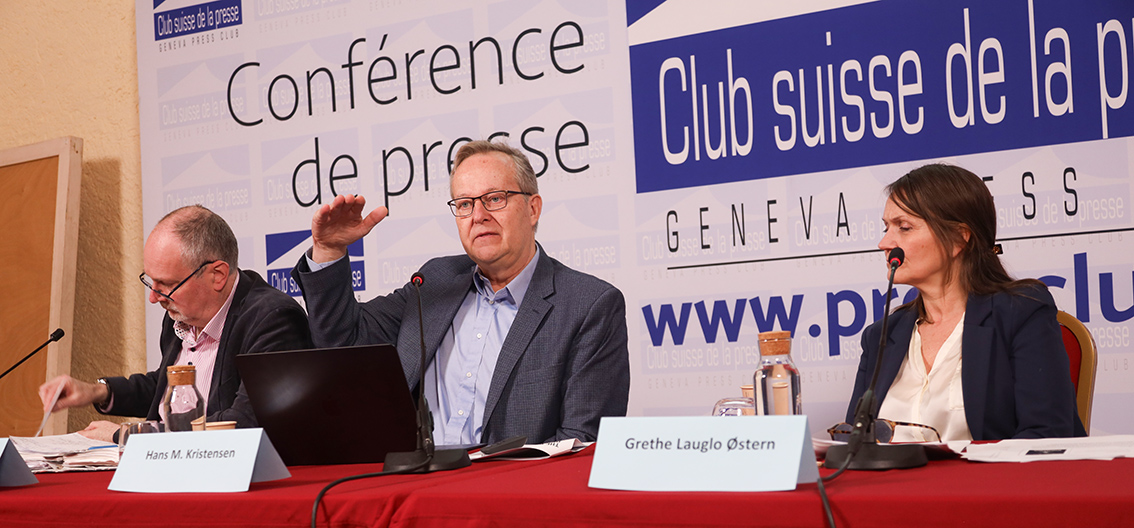
Hans M. Kristensen, Director of the Nuclear Information Project at the Federation of American Scientists and one of the main contributors to the report, said : “The number of warheads available for use has increased steadily since 2017 and is expected to continue to grow. China, India, North Korea, Pakistan, and Russia all continued to expand their nuclear arsenals in 2025.” Kristensen added that this trend seems set to continue. “France has recently announced that it will increase the number of its nuclear warheads, and the United States also has plans to expand its arsenal.”
Secretary General Raymond Johansen of Norwegian People’s Aid, which publishes the Ban Monitor, added that these developments are unfolding against a backdrop of intensifying armed conflicts, eroding arms control frameworks, and a weakening of the international ruled-based order. “What we are witnessing is more than a new arms race. It is a reversal of hard-won constraints on nuclear dangers,” says Johansen.
More than half the world has signed up to abolish nuclear weapons
At the same time, support for the TPNW continues to grow. In September 2025, Kyrgyzstan signed the TPNW and Ghana ratified it, an important step that helped cement a global majority of states backing the treaty.
The message from the non-nuclear majority is clear: security cannot be built on the threat of mass destruction, and nuclear weapons must be eliminated under international law.
A choice the world cannot avoid
The Nuclear Weapons Ban Monitor shows a world pulling in two directions: toward deeper reliance on nuclear weapons by a small number of states, and toward rejection of those weapons by the global majority through the TPNW.
Watch the launch of the Ban Monitor and the following press conference here:

