


What’s the current status of fusion energy?
Before we can have commercial fusion power plants, 3 key milestones must first be met:
- Net fusion energy gain: output energy from fusion reactions to be greater than the input energy.
- A working demonstration power plant: to prove that we can harness fusion power reliably
- Economic viability: fusion power must be cost-competitive with alternatives
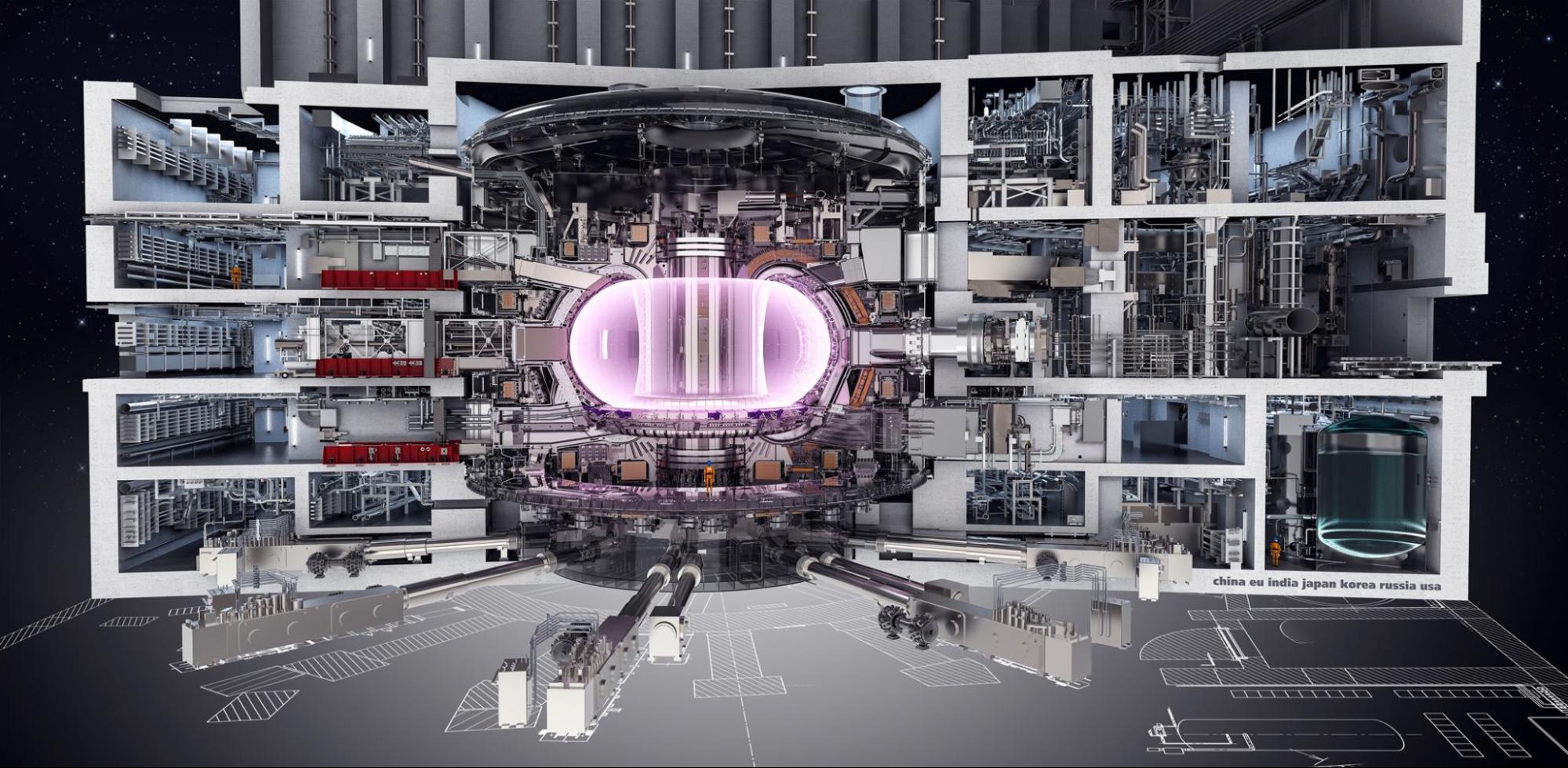
For MFE, the first milestone of net fusion energy gain has not yet been achieved. While experimental MFE devices have been successfully producing fusion energy, the output energy remains less than the input energy. However, progress has been steady since the first fusion device began operations in 1958. Some key recent achievements include the highest amount of fusion energy produced (69 MJ) in October 2023, and as recently as February this year, the longest plasma duration record was broken at 22 minutes.
For IFE, the first milestone has been reached. In 2022, net fusion energy gain was achieved for the first time in human history. Specifically, via indirect drive IFE, 2 MJ of laser energy was deposited on a Hohlraum, and 3 MJ was recorded to be released from the fuel capsule. This success has greatly renewed interest in the IFE approach, which has historically taken a backseat compared to MFE.
That sounds amazing! So, when will we have fusion power plants?
Progress in MFE is slow, to say the least. The first MFE device started operating around the same time the first satellite was launched into space. Today, rockets are landing themselves while MFE is still trying to reach the first milestone of net energy gain. However, by extrapolating historical trends, MFE energy breakeven should happen before 2040.
As for IFE, while achieving net energy gain was certainly a huge win for fusion energy, there is a major caveat. In that historic experiment, due to losses in the laser beams, 300 MJ of electricity was consumed to deposit the 2 MJ of energy on the fuel capsule. 3 MJ of fusion energy was produced from 300 MJ of input electricity. In other words, while net energy gain was technically achieved, net energy gain has not been achieved at a larger system level. Laser efficiency and/or energy gain would still have to improve massively before a demonstration IFE power plant can be considered.
Even if net fusion energy gain was achieved tomorrow, there are still key technological questions that remain unanswered, most crucially regarding fuel availability, material technologies and heat extraction, all of which are essential for milestone no. 2. After that, there remains milestone no. 3: Will fusion energy be cost-competitive for commercial deployment? That would have to be discussed in another blog post–so stay tuned!

