


“Any attack near a nuclear facility is playing roulette with civilian lives. Nuclear risks are not theoretical — they are immediate and human. The US, Israel and Iran must stop all military action and return to the diplomatic path”, ICAN’s Melissa Parke says.
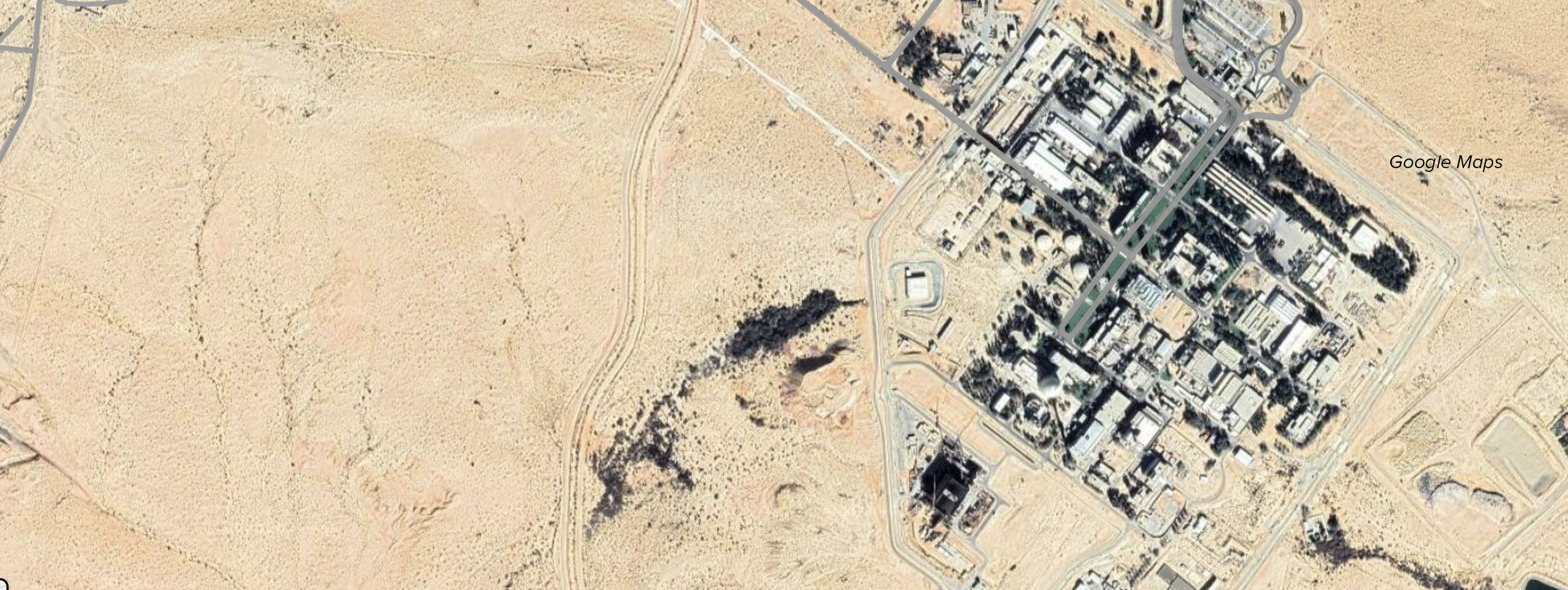
On 21 March 2026, Israel and the US bombed Iran’s Nantaz nuclear installation used for enrichment of uranium. In retaliation, Iran attacked the towns of Arad and Dimona with ballistic missiles – the latter is also the home of Israel’s Shimon Peres Negev Nuclear Research Centre. It’s the first time Iranian missiles have penetrated Israeli air defences in an area around a key nuclear facility.
Israeli officials said there was no damage to the facility and no abnormal radiation levels reported. But ICAN’s Melissa Parke ICAN warns about the potential consequences: “Striking nuclear installations is explicitly banned under international law and risks causing radioactive contamination harmful to human health and the environment.”
A growing danger: War moving closer to nuclear sites
The US-Israeli decision to attack Iran’s nuclear facilities again following their bombing of 3 Iranian nuclear sites, including Nantaz, nine months ago, is a dangerous escalation of their illegal war of aggression by increasing the nuclear risks arising from the war. In recent days, international reports also described a strike near Iran’s Bushehr nuclear power plant, prompting renewed concern about the potential for accidents or radiological releases in a region already facing escalating conflict.
The International Atomic Energy Agency (IAEA) has repeatedly stressed that armed attacks on nuclear facilities should never take place, warning they “could result in radioactive releases with grave consequences within and beyond the boundaries of the State” attacked.
What would a “nuclear disaster” look like?
A direct hit on a nuclear facility would not cause a nuclear weapon-style explosion. The central risk is a radiological release – radioactive material spreading into the environment, potentially causing long-term contamination.
The exact consequences depend on what part of a site is struck and what radioactive materials are present. But the IAEA’s general warning is clear: a conflict that brings missiles, bombs and drones into the surroundings of nuclear infrastructure carries dangers that can quickly extend beyond the battlefield and the ICRC points out the obvious risks, as a result of military activities in and around nuclear sites, and explains why nuclear power plants and other installations containing dangerous forces have specific protections under international humanitarian law. But as the conflict between US-Israeli-forces and Iran intensifies, The World Health Organization (WHO) has begun preparing for the “worst-case scenario” of a nuclear catastrophe.

