


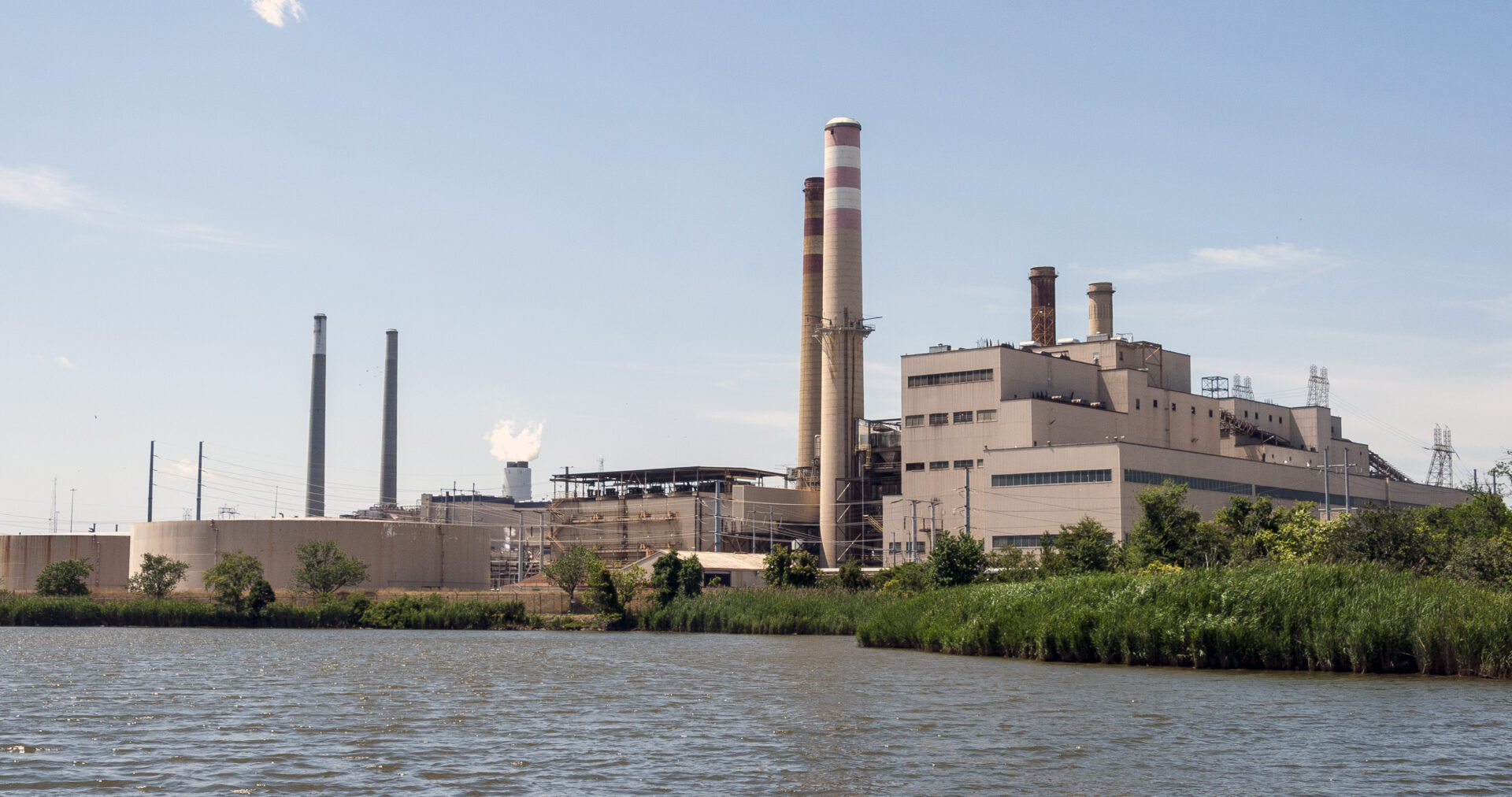
Over the past two years, electric distribution utility companies operating in the PJM Interconnection region have mounted an aggressive lobbying campaign, urging lawmakers to allow them to own and build power plants once again.
As part of this effort, utilities – including Exelon, FirstEnergy, and PPL Electric – have held extensive private meetings with officials, lobbied for legislation, testified before public bodies, and mounted public-relations campaigns. EPI has compiled a timeline documenting these activities, including materials obtained through public records requests.
This campaign – commonly referred to as “re-regulation” – would reverse restructuring policies adopted by PJM-region states in the late 1990s, which required utilities to divest their power plants and shifted electricity generation to competitive wholesale markets. Electric distribution utilities in states such as Maryland and Pennsylvania no longer own generation assets, unlike vertically integrated monopoly utilities elsewhere in the country that continue to own generation, transmission, and distribution under state regulatory oversight. Under restructuring, utilities retained their regulated monopoly over distribution but were largely prohibited from owning generation, which instead became subject to competitive procurement from independent power producers.
Re-regulation would allow utilities like Exelon, FirstEnergy, and PPL Electric to build and own power plants once again – and earn profits on those investments through regulated rates. Because the regulatory system guarantees returns on capital spending, bringing generation back into the rate base would directly expand the assets on which utilities earn profits. Allowing utilities to build and own power plants and recover their costs and profits through regulated rates would likely distort competition in PJM’s wholesale markets. Resources with guaranteed cost recovery can suppress market prices and crowd out independent power producers, discouraging investment by developers that bear full market risk.
The push for re-regulation is unfolding amid turmoil in PJM’s capacity market, with unprecedented price shocks expected to raise electricity bills by hundreds of dollars per year for many customers. The surge reflects tightening supply, rising demand due to data center development, and market bottlenecks that have delayed thousands of projects like renewables and battery storage. Utilities have pointed to this volatility as justification for returning to regulated generation ownership, arguing it would bring stability. Consumer advocates, however, warn that shifting the risk of power plant investments from utility shareholders onto captured customers could saddle households with expensive and potentially unnecessary assets for decades to come.
Update: On April 1, one day after the publication of this article, Duquesne Light Company Director of Communications and Brand Matt Neistein emailed EPI and said that DLC is not lobbying for re-regulation: “While there are occasions and topics where we are aligned with our fellow EDCs … re-regulation is one where there is a lot of diversity of thought amongst us. Speaking for DLC’s goals and views, we have not lobbied for re-regulation in the timeframe this article covers … It’s simply not a political or regulatory change we are actively seeking at this time, nor have we in recent years.”
In response to additional questions from EPI, Neistein provided the following statement on April 3: “While DLC is aligned with the other PA EDCs that all options to keep the lights on at an affordable price for our customers should be given serious consideration, DLC’s focus has been around an integrated resource assessment of generation resource adequacy in PA, and the potential for long term (10-plus years) power purchase agreements under our default service plans to incentivize new base load generation build in the Commonwealth. DLC is neutral on the legislation introduced in the PA House to provide utilities with the option to seek PUC approval to own and operate base-load generation as a backstop to the failures to date from the PJM market to build new power plants, in spite of customers in PA and the other PJM states paying billions of dollars under the current PJM capacity auctions to the power plant owners.”
Lead photo credit: Acroterion, Wikimedia Commons, licensed under the Creative Commons Attribution-Share Alike 4.0 International license.

